

Table of Contents
Essential type of exercise is one of the best investments you can make for your physical and emotional well-being. Whether your goal is to lose weight, increase energy, build strength, improve flexibility, or reduce the risk of chronic diseases, regular physical activity is essential.
However, many people believe that exercising simply means going for a run or lifting weights. In reality, a healthy fitness routine includes several different types of exercise, each targeting a specific aspect of your health.
This guide explains the six major types of exercise, their health benefits, examples, and practical tips for incorporating them into your daily routine.
Why Is It Important to Do Different Types of Exercise?
Your body needs more than one kind of movement to function at its best. While cardio keeps your heart healthy, strength training builds muscles, stretching improves flexibility, and balance exercises reduce the risk of falls. Together, they create a complete fitness routine that supports overall wellness.
Physical activity benefits nearly every organ system in the body. Regular exercise can help:
- Maintain a healthy weight
- Improve posture and flexibility
- Reduce stress and anxiety
- Improve sleep quality
- Lower the risk of diabetes, high blood pressure, and heart disease
- Boost brain function and memory
- Increase energy levels
- Support healthy aging
- ❤️ Cardio for heart and lung health
- 💪 Strength training for muscles and bones
- 🤸 Flexibility exercises for mobility
- ⚖️ Balance exercises for stability
- 🧘 Mind-body exercises for mental well-being
- 🚶 Functional training for everyday fitness
Even moderate activity performed consistently can significantly improve your quality of life.
The Six Essential Types of Exercise
A balanced fitness routine should include all six categories.
1. Aerobic (Cardio) Exercise
What Is Aerobic Exercise?
Aerobic exercise involves continuous movement that increases your heart rate and breathing. It strengthens the cardiovascular system and improves endurance.



Examples
- Walking
- Brisk walking
- Jogging
- Running
- Cycling
- Swimming
- Dancing
- Hiking
- Skipping rope
- Rowing
Benefits
- Improves heart health
- Enhances lung capacity
- Burns calories
- Supports weight loss
- Lowers blood pressure
- Improves circulation
- Increases stamina
- Reduces stress
Beginner Tips
Start with 20–30 minutes of brisk walking. Increase duration and intensity gradually.
2. Strength Training
What Is Strength Training?

Strength training uses resistance to improve muscle strength, endurance, and bone density.
Examples
- Push-ups
- Squats
- Lunges
- Deadlifts
- Dumbbell exercises
- Resistance bands
- Kettlebell workouts
- Pull-ups
- Machine exercises
- Bodyweight workouts
Benefits
- Builds lean muscle
- Strengthens bones
- Boosts metabolism
- Improves posture
- Prevents muscle loss with age
- Supports joint health
- Makes everyday activities easier
Beginner Tips
Begin with bodyweight exercises before progressing to resistance bands or light weights.
3. Flexibility Exercises
What Are Flexibility Exercises?
Flexibility exercises stretch muscles and improve the range of motion of your joints.
Examples
- Hamstring stretch
- Shoulder stretch
- Hip opener stretches
- Cobra stretch
- Child’s Pose
- Cat-Cow stretch
- Dynamic warm-up stretches
Benefits
- Reduces muscle stiffness
- Prevents injuries
- Improves posture
- Enhances mobility
- Supports recovery
Beginner Tips
Stretch after your workouts when muscles are warm. Hold each stretch for 20–30 seconds without bouncing.
4. Balance Exercises
What Are Balance Exercises?
Balance training improves stability and coordination while reducing the risk of falls.
Examples
- Single-leg stand
- Heel-to-toe walk
- Tree Pose
- Tai Chi
- Stability ball exercises
- Step-ups
Benefits
- Improves coordination
- Strengthens stabilizing muscles
- Enhances body control
- Supports healthy aging
- Reduces injury risk
Beginner Tips
Practice near a wall or sturdy chair until your balance improves.
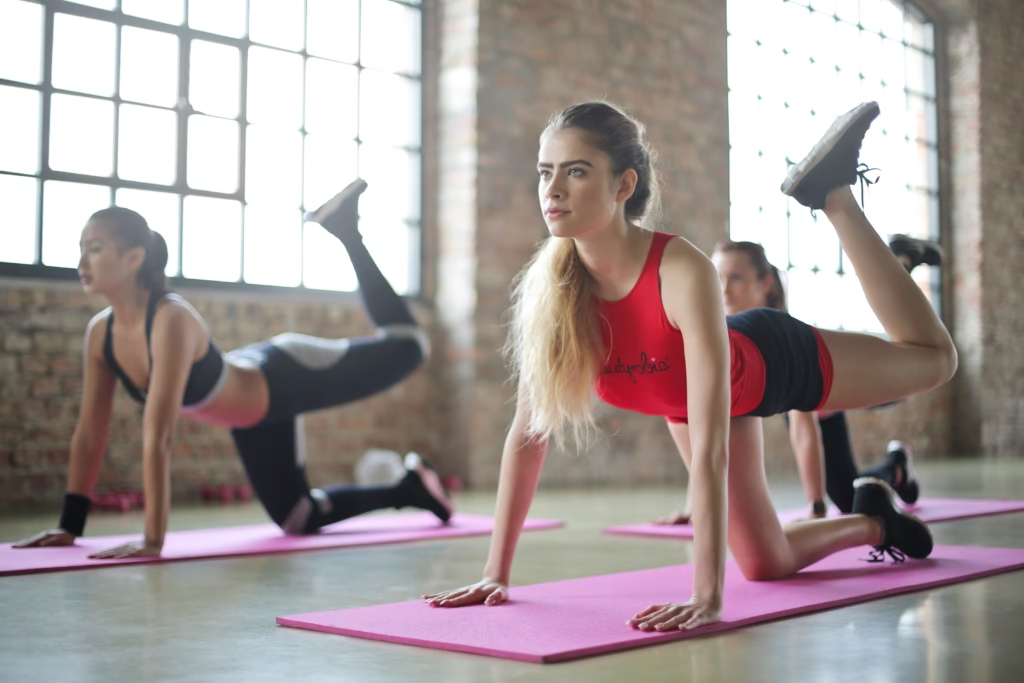
5. Mind-Body Exercises
What Are Mind-Body Exercises?
These exercises combine controlled movement, breathing, and mental focus.
Examples
- Yoga
- Pilates
- Tai Chi
- Qigong
- Breathing exercises
Benefits
- Reduces stress
- Improves flexibility
- Supports mental health
- Enhances concentration
- Promotes relaxation
- Improves sleep quality
Beginner Tips
Start with 15–20 minutes of guided sessions two or three times a week.
6. Functional Fitness
What Is Functional Fitness?
Functional exercises train your body for everyday movements by improving strength, balance, and mobility.
Examples
- Farmer’s Carry
- Sit-to-Stand
- Step-ups
- Medicine Ball Throws
- Kettlebell Swings
- Loaded Carries
Benefits
- Makes daily tasks easier
- Improves mobility
- Builds practical strength
- Reduces injury risk
- Improves coordination
Beginner Tips
Focus on proper technique rather than speed or heavy weights.
How Much Exercise Do You Need?
Most healthy adults should aim for:
- 150–300 minutes of moderate aerobic activity each week, or 75–150 minutes of vigorous aerobic activity.
- Strength training for all major muscle groups at least 2 days per week.
- Flexibility exercises on most days.
- Balance training at least 2–3 times per week, especially for older adults.
If you’re new to exercise or have a medical condition, start gradually and consult a healthcare professional before beginning a new fitness program.
Sample Weekly Exercise Plan
Monday: 30-minute brisk walk + stretching
Tuesday: Full-body strength training
Wednesday: Cycling or swimming
Thursday: Yoga + balance exercises
Friday: Strength training + core workout
Saturday: Hiking, dancing, or a recreational sport
Sunday: Gentle walk and full-body stretching
Common Exercise Mistakes to Avoid
- Skipping warm-ups and cool-downs
- Doing only cardio and ignoring strength training
- Using poor exercise form
- Increasing intensity too quickly
- Not allowing time for recovery
- Ignoring pain or persistent discomfort
- Staying dehydrated
- Inconsistent exercise habits
Consistency is more important than perfection.
Nutrition and Exercise: A Winning Combination
Exercise works best when paired with healthy eating.
Before Exercise
Choose light, easily digestible foods such as:
- Banana
- Oatmeal
- Yogurt
- Whole-grain toast with peanut butter
After Exercise
Support recovery with:
- Eggs
- Greek yogurt
- Grilled chicken
- Lentils
- Cottage cheese
- Fruits
- Plenty of water
Frequently Asked Questions (People Also Ask)
What are the main types of exercise?
The six main categories are:
- Aerobic (cardio)
- Strength training
- Flexibility
- Balance
- Mind-body exercises
- Functional fitness
Together, they support cardiovascular health, muscular strength, mobility, stability, and mental well-being.
Which exercise is best for overall health?
No single exercise is best for everyone. A combination of cardio, strength training, stretching, and balance exercises provides the most complete health benefits.
How often should I exercise?
Aim for at least 150 minutes of moderate aerobic activity per week and include strength training twice weekly. Daily movement, even in short sessions, contributes to better health.
Can I exercise every day?
Yes, but vary the intensity. Alternate between cardio, strength training, stretching, and recovery-focused activities to avoid overtraining.
Which exercise burns the most calories?
Activities such as running, swimming, jump rope, and high-intensity interval training (HIIT) typically burn more calories, though the exact amount depends on your body size and workout intensity.
Is walking enough exercise?
Brisk walking is excellent for heart health and overall fitness. However, adding strength, flexibility, and balance exercises creates a more complete fitness routine.
What is the best exercise for beginners?
Walking, bodyweight squats, wall push-ups, gentle stretching, and beginner yoga are great starting points. Gradually increase intensity as your fitness improves.
Expert Tips for Long-Term Success:
- Find activities you enjoy.
- Exercise with a friend or group for motivation.
- Track your progress through apps
- Celebrate milestones, not just the final result.
- Prioritize consistency over intensity.
- Warm up for 5–10 minutes before exercising.
- Stay hydrated throughout your workout.
- Maintain proper form to prevent injuries.
- Increase exercise intensity gradually.
- Pair exercise with a balanced, nutritious diet.
- Get enough sleep to support recovery.
Building healthy habits takes time, but regular movement is one of the most powerful investments you can make in your future health.
Final Thoughts
Exercise is not just about losing weight or building muscle—it is about creating a healthier, happier life. A balanced routine that includes aerobic activity, strength training, flexibility work, balance exercises, mind-body practices, and functional fitness supports every aspect of your well-being.
Start where you are, choose activities you enjoy, and stay consistent. Small daily efforts add up to significant long-term benefits. Whether you’re taking your first walk around the block or progressing to more challenging workouts, every step you take moves you toward a stronger, healthier future.
Disclaimer: This article is for educational purposes only and should not replace professional medical advice. If you have a medical condition, are pregnant, or are returning to exercise after an injury, consult your healthcare provider before starting a new fitness program.